Risk assessment stories
Unified security services reduce risk and facilitate compliance requirements, says Fortinet ANZ Director Cornelius Mare.
Workplace cuts and crush injuries can be reduced by simple precautions, saving firms costly downtime and staff from painful hand damage.
A workplace knife slip can still cut legs and arms, prompting safety managers to pair gloves with safer tools and training.
Power was cut to a neighbourhood in Auckland’s CBD after a worker struck an 11kv cable, exposing gaps in permit-to-dig checks.
Cut injuries can still strike even workplaces with no recent incidents, Martor Australia says, as safety knives are often overlooked.
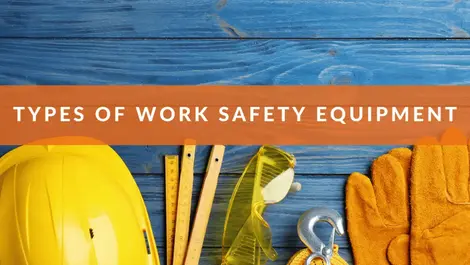
Proper PPE can prevent injuries and lost wages, while also saving employers time and money after workplace accidents.
Lax hazard checks before manual tree felling led to a worker’s death, with Sullivan Contractors fined and ordered to pay GBP £365,225 in reparations.
New rules could change spray planning, training and storage for farmers and contractors after a draft agrichemicals standard opened for comment.
WorkSafe said workers were exposed to dangerous fibres after friable asbestos was stripped from a Queenstown property without a licence or safety plan.
A communication failure left scaffold workers exposed to caustic soda vapour, causing chemical burns and triggering more than GBP £300,000 in fines.
A New Plymouth court has ordered more than USD $250,000 in penalties and reparation after a young worker lost three fingers in unguarded machinery.
Working from home can trigger fresh obligations on contracts, safety, privacy and security, with employers footing extra costs.
A Christchurch meat plant has been fined and ordered to pay reparation after a worker lost four fingers in a cleaning accident.
Workplace injuries may fall sharply if staff are trained, alert and equipped with cut-resistant gloves, according to safety guidance.
A Rotorua logging firm’s failure to assess live powerlines left a worker with life-changing burns and triggered the penalty.
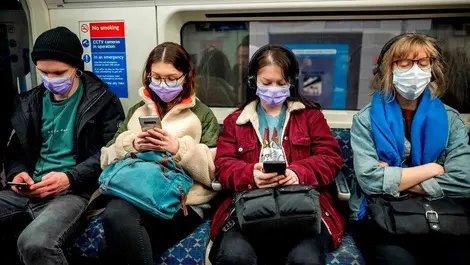
A new University of Colorado Boulder model suggests crowded, poorly ventilated spaces raise coronavirus risk, especially without masks.
Prepared workplaces can cut fatal delays, with alarms, drills and first aid skills helping staff respond within minutes.
Careful questioning can expose risks, priorities and hidden obstacles before work begins, helping teams avoid costly missteps.
With 2.8 million nonfatal workplace injuries reported in 2018, employers are being urged to stock gear that cuts risks and protects staff.
Businesses working on steep terrain face renewed scrutiny after a forestry rollover in Wellington killed a worker and left a company fined NZD $60,000.