Risk assessment stories
Farmers hosting duck shooting or other events face duties to manage hazards for visitors under the Health and Safety at Work Act 2015.
Childcare providers and schools are being urged to inspect play equipment, after WorkSafe NZ warned ropes and cords can cause fatal strangulation.
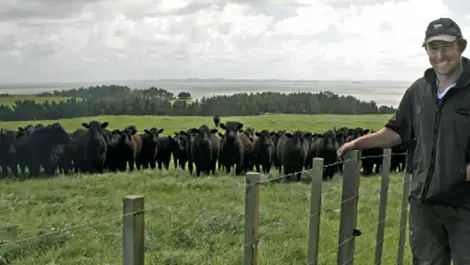
Near misses and clear routines are helping one Kaipara Harbour beef operation cut farm risks, with safety now built into meetings and daily work.
Farmers face tighter limits on quad bike passengers after safety guidance said riders should only do so when no reasonable alternative exists.
Businesses sharing workplaces face fines if they fail to coordinate safety duties under new law aimed at closing gaps for workers.
Workplace drinks can expose employers to liability if staff leave intoxicated, with experts urging clear controls and safe transport.
New Zealand directors may face sharper scrutiny after an Australian ruling over a contractor’s electrocution clarified who counts as an officer.
Workers and neighbours were exposed to asbestos fibres after demolition proceeded without checks, leaving a North Shore homeowner with a NZD $49,000 bill.
More accurate assessments could help clinicians target treatment and reduce harmful sexual behaviour in the community and workplace.
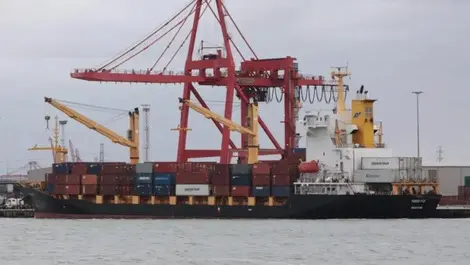
A lack of basic cleanup and warning procedures left a slippery berth contaminated for two days, contributing to a visitor’s death at South Port New Zealand.
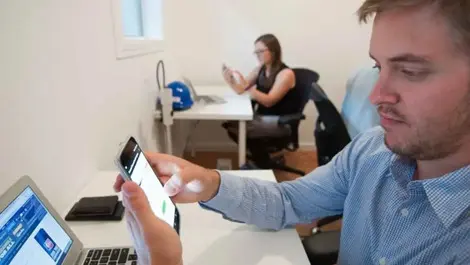
Apps could help curb rising stroke rates by nudging younger adults to tackle diabetes, obesity and other modifiable risks.
WorkSafe’s case against MSD is a warning to public-facing employers to review protections after Ashburton exposed deadly gaps in staff safety.
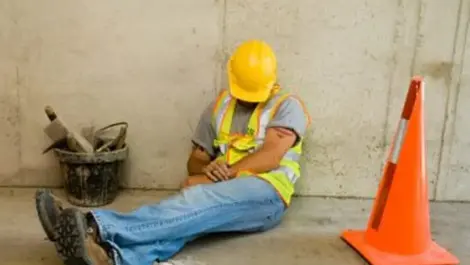
Fatigue can slow reactions, cloud judgement and raise incident risk, especially on long shifts, night work and safety-critical tasks.
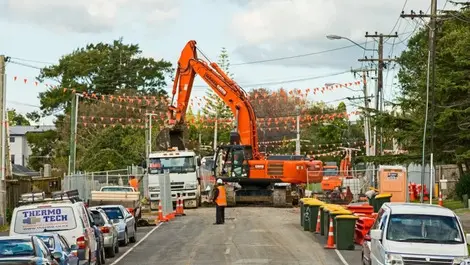
Auckland’s water supply project went 14 months without a recordable incident, after safety measures were adopted across the wider industry.
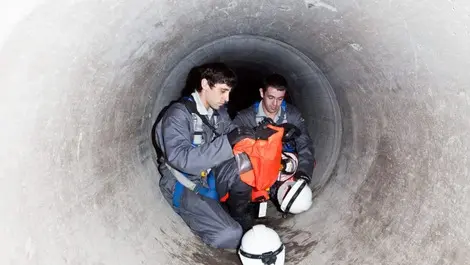
Accident prevention in tanks, silos and manholes could improve as researchers offer a five-step tool to assess confined-space risks.
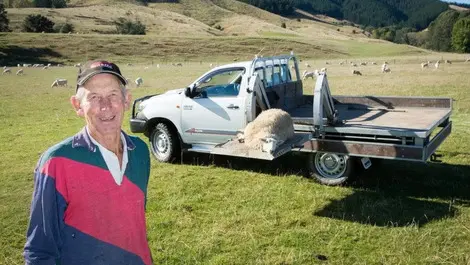
Back injuries during lambing have been cut for a Nelson farmer after a second-hand wheelchair lift let him move ewes without strain.
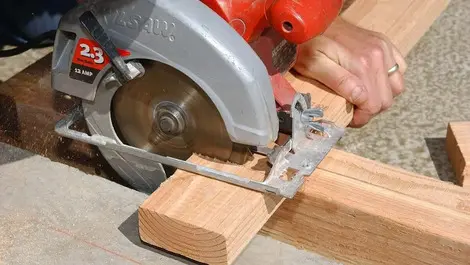
A Christchurch timber supplier has been fined GBP £20,000 after a worker lost two fingers to an unguarded saw blade.
Vibrating tools and repeated hand trauma can cause a rare finger syndrome that may lead to serious injury or amputation if missed.
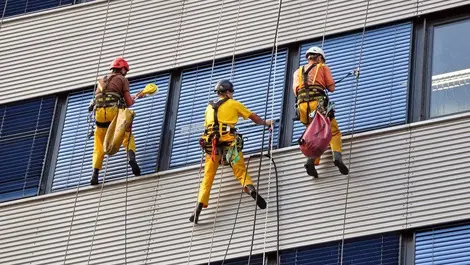
Poor ladder use causes most falls at height in New Zealand workplaces, with many incidents occurring below three metres and injuries often severe.
A builder was left unable to work for a year after a 300 kg bundle of weatherboards fell from height in a timber yard.